Winter Fur Fashion Trend Forecasting & Sourcing Strategy for Wholesale Buyers
Introduction
For wholesale buyers of fur apparel, winning the winter selling season starts long before the first cold wave hits. Seasonal fur fashion is highly trend-driven, with tight production timelines, volatile raw material pricing, and shifting consumer preferences between real fur and premium faux fur. Guessing which styles will sell often leads to overstock, missed delivery windows, or slow-moving inventory that eats into your profit margin.
Effective winter fur trend forecasting paired with a structured sourcing strategy helps retailers, boutique owners, and fashion brands allocate budgets wisely, select high-conversion products, and mitigate supply chain risks. At JSFUR, we work closely with global wholesale clients to translate runway and consumer trend signals into practical bulk orders. Visit our official site: https://www.jsfur.com to explore our winter fur collection and custom OEM/ODM capabilities.
This article breaks down the key winter fur trends for wholesale markets and delivers step-by-step sourcing strategies tailored for bulk buyers, helping you align your inventory with market demand.
Part 1: Winter Fur Fashion Trend Forecast for Wholesale Markets
The winter fur market is clearly splitting into two directions: statement luxury real fur pieces and high-performance, sustainable premium faux fur. Buyers should match trends to their target market positioning rather than blindly chasing viral styles.
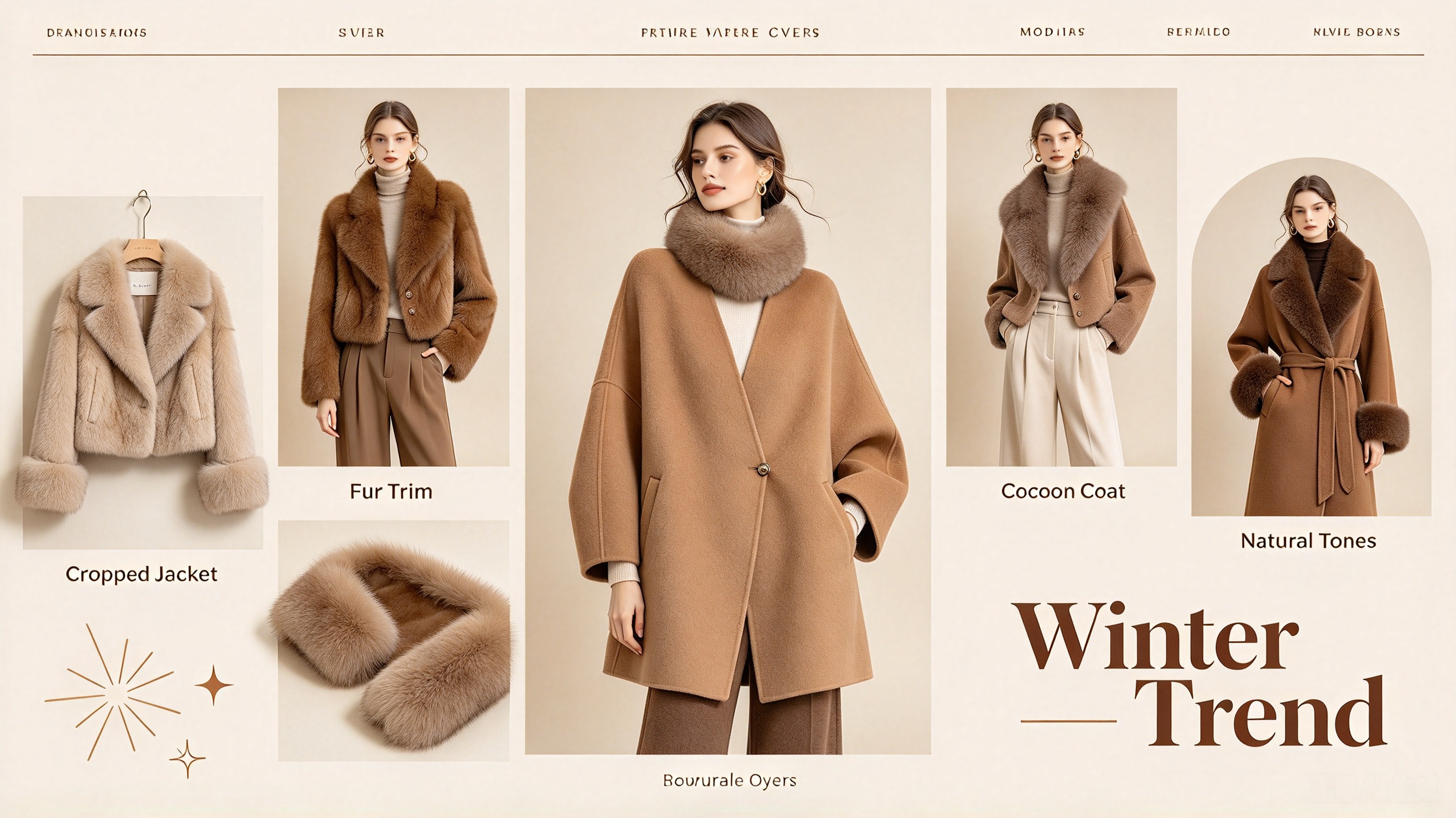
1. Silhouette Trends: Minimal Volume + Fur Trim Accent
Full-length heavy fur coats remain a staple for luxury segments, but many mainstream consumers now prefer lighter, versatile designs.
- Cropped fur jackets: 55–60cm short length, structured shoulders, easy to pair with dresses and trousers, ideal for urban mid-market retail.
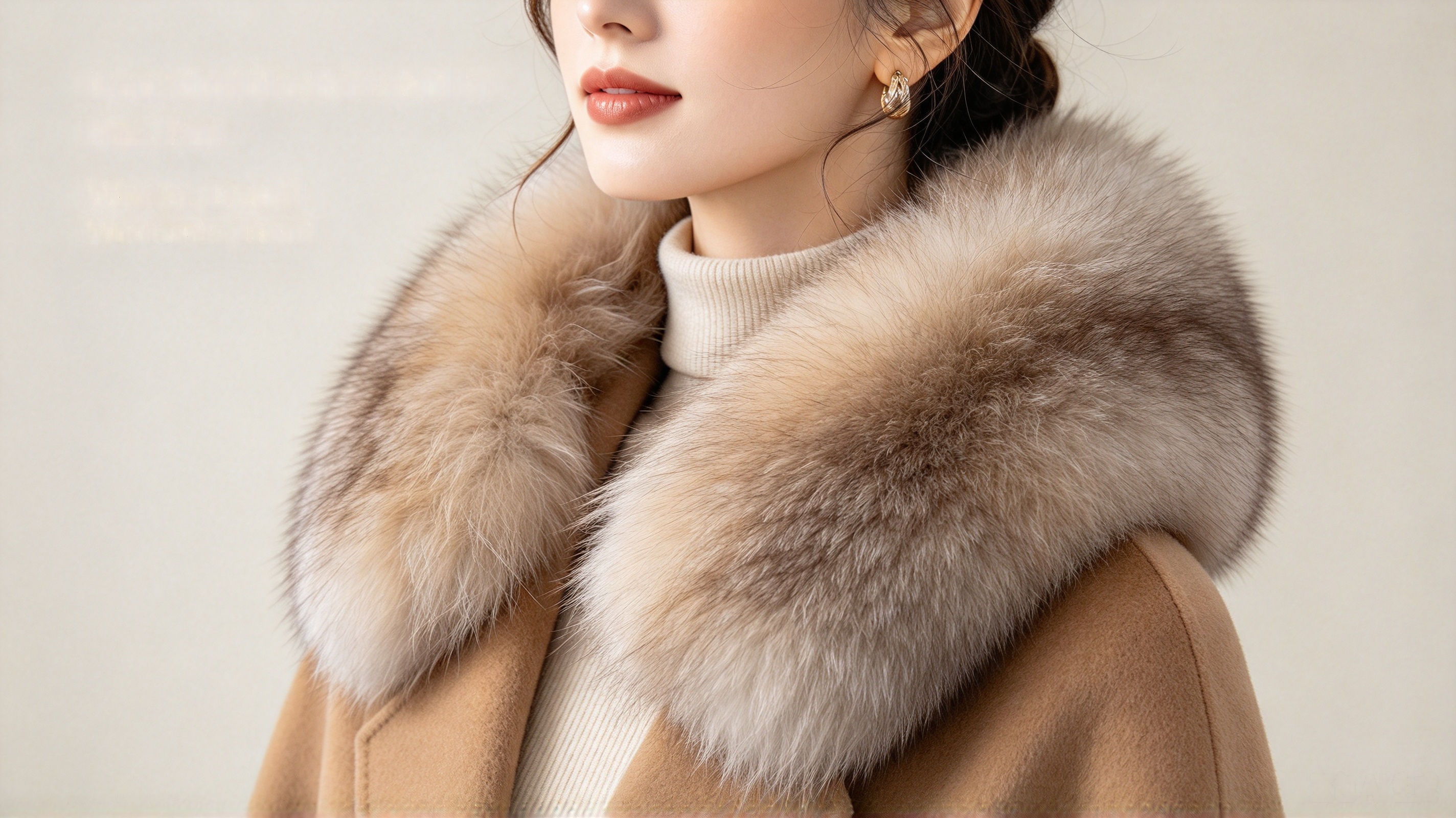
- Fur trim as hero: Oversized fox fur collars, hood trims, cuffs and detachable fur linings are the fastest-growing category. Brands use fur details to elevate basic outerwear without the high cost of a full fur coat.
- Cocoon relaxed fit: Loose, enveloping silhouettes with lightweight pelts or premium faux fur, balancing warmth and everyday wearability.
2. Color & Texture Direction
Gone are the days when fur wholesale only relied on black, white and classic brown neutrals.
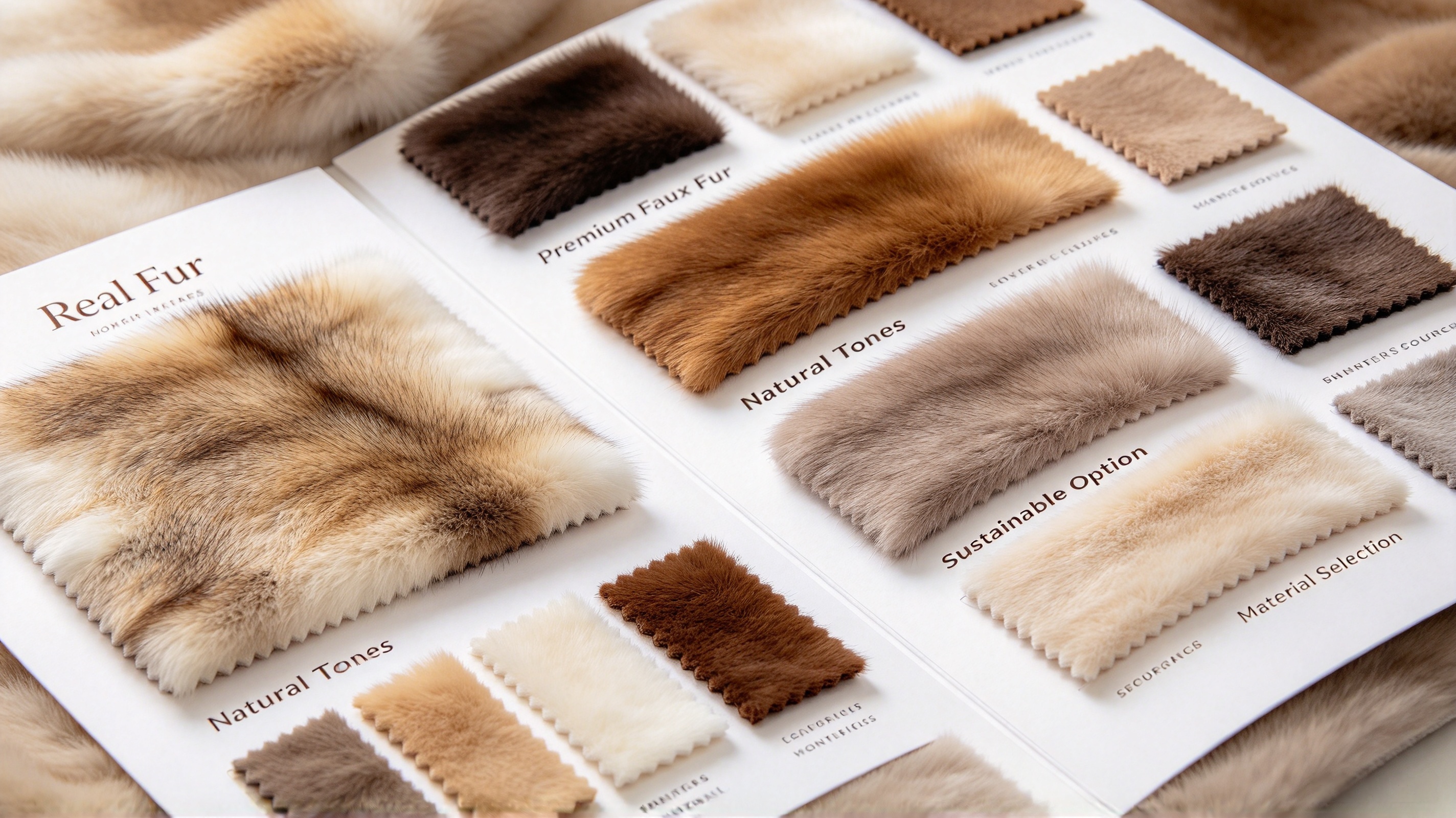
- Natural earth tones dominate luxury lines: caramel, honey, tobacco, undyed natural pelt colors. These have strong resale value and less seasonality risk.
- Muted dusty hues for contemporary lines: slate grey, midnight navy, dusty lavender and powder blue faux fur for younger consumer groups.
- Subtle textures over loud prints: Animal prints still sell but in smaller runs. Textural differentiation, such as curly shearling-style faux fur and soft short-pile mink-like fabric, is safer for bulk ordering.
3. Material Trend: Hybrid & Sustainable Options
Material selection is now one of your biggest market positioning decisions.
- Real fur: Focus on traceable, certified pelts for luxury boutiques. Raw pelt prices fluctuate seasonally, so pre-booking materials early is critical.
- Premium faux fur: High-fidelity, bio-based and GRS-certified recycled faux fur continues its rapid growth. Many mid-tier retailers select this line to meet ethical consumer demands and expand their product range at lower price points.
- Hybrid design: Real fur trim combined with textile outer shells or recycled faux fur linings. Hybrid pieces balance luxury aesthetics, cost control and market compliance.
4. Consumer Demand Shifts Worth Noting
Buyers no longer purchase fur only for extreme cold; they buy it for occasions, photo-worthy styling and gift-giving. Key selling scenarios include evening events, holiday gatherings, ski resort retail and premium everyday outerwear. Wholesale assortments should include small accessories: fur shawls, scarves and headbands as add-on cross-sell items to lift average order value.
Part 2: Actionable Sourcing Strategy for Wholesale Fur Buyers
Trend forecasting is useless without a matching sourcing roadmap. Below is our proven framework for bulk fur apparel buyers, refined through JSFUR’s years of OEM/ODM cooperation with international clients.
Step 1: Build a Trend Test Plan Before Large Commitments
Never place a huge bulk order based only on runway photos.
- Select 6–10 trend candidates combining staple bestsellers + 2–3 experimental new styles. Staples guarantee baseline sales; new designs capture trend traffic.
- Order small pre-production samples and test market feedback via pre-sales, social media polls or pop-up retail.
- Use sample feedback to adjust colorways, length and sizing before scaling up production. JSFUR supports sample development for winter fur styles, helping buyers validate designs without locking in large MOQs immediately.
Step 2: Timing Planning — Beat the Winter Production Rush
Fur garment production cycles are longer than regular apparel, and peak season factory capacity fills quickly.
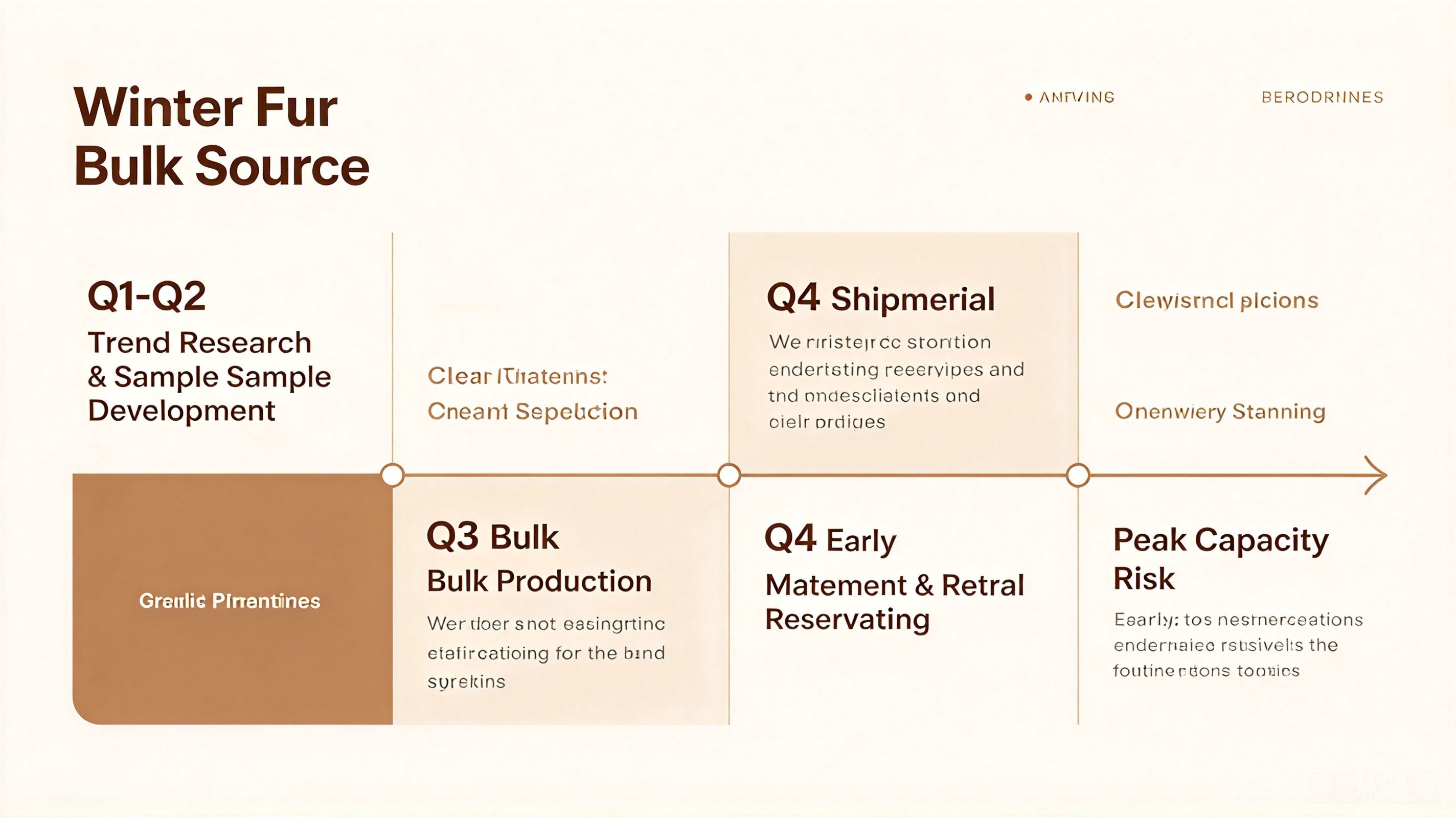
- Q1–Q2: Trend research, sample confirmation, material reservation. Raw fur and high-grade faux fur fabrics have limited stock, early locking stabilizes material cost.
- Q3: Mass production window. Most factories hit full capacity in August and September, which can extend lead times.
- Q4: Shipment, customs clearance and warehouse stocking, ready for pre-holiday retail.
Delayed sourcing often results in rushed production, compromised fur quality or missed retail launch dates.
Step 3: Supplier Evaluation Criteria for Winter Fur Bulk Orders
When selecting a fur apparel manufacturer, look beyond price. Evaluate these four core capacities:
- Material traceability and certification: Check pelt origin documents, labeling compliance, REACH, GRS or related certificates based on your target sales region.
- Seasonal production capacity: Confirm whether the factory can scale up during winter peak season without sacrificing workmanship on fur sewing, lining and pelt matching.
- Flexible MOQ and tiered pricing: Reliable suppliers separate test order MOQ and large-volume order MOQ, so buyers can scale gradually.
- In-house QC & inspection process: Fur garments require careful checking for shedding, uneven pile, seam defects and color shading. Pre-shipment on-site inspection reduces receiving defective goods.
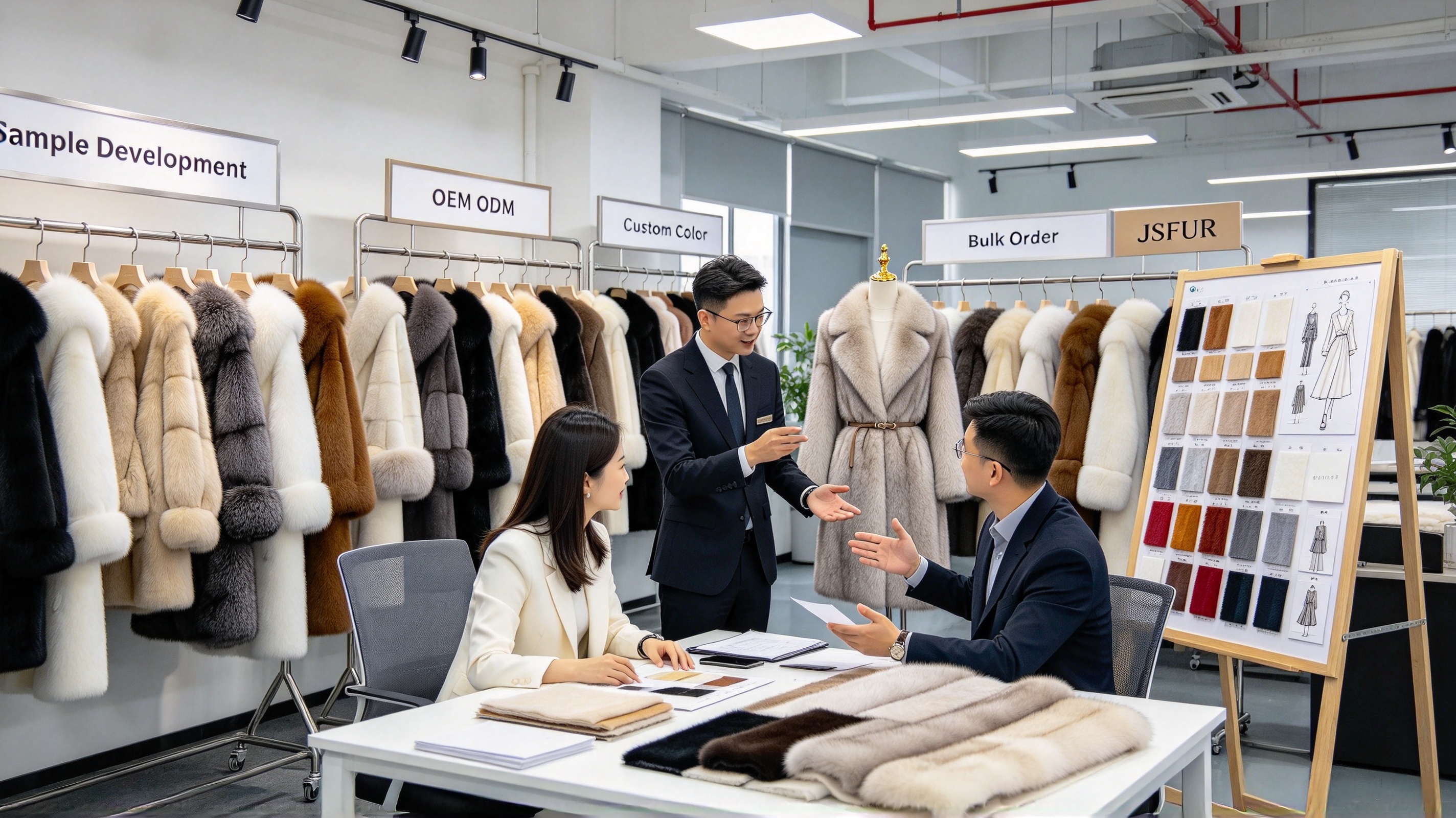
JSFUR integrates material selection, pattern making, sample development, bulk production and pre-shipment inspection. Our team helps wholesale buyers navigate material compliance, sizing standardization and seasonal delivery schedules.
Step 4: Inventory & Risk Control Strategy
Even with accurate trend forecasting, inventory risk remains high in fur wholesale.
- Split orders: Separate core SKUs (large bulk) and trendy limited SKUs (small batch).
- Tiered pricing negotiation: Discuss seasonal price protection and partial shipment schedules with your supplier.
- Reserve safety stock for top-selling styles, avoid overstocking experimental trend items.
- Calculate total landed cost: Include fabric, labor, packaging, freight, import duty and inspection fees in your budget, not just unit garment price.
Step 5: Compliance & Label Preparation by Target Market
Different regions enforce strict fur labeling regulations. EU, North America and other markets require clear labeling to indicate real fur vs faux fur. Prepare labeling specifications at the sample stage. Mislabeling can cause customs hold, product recalls and heavy losses for wholesale buyers.
Part 3: How JSFUR Supports Your Winter Fur Sourcing
As a professional fur apparel wholesale and OEM/ODM manufacturer, JSFUR helps B2B buyers turn winter trend forecasts into sellable inventory.
- Trend-driven sample development: We interpret seasonal fur trends and develop custom samples based on your brand positioning, from luxury real fur coats to GRS premium faux fur collections.
- Material flexibility: Access traceable real fur pelts and high-quality recycled faux fur options.
- Customization service: Custom silhouettes, custom color matching, brand private labels, packaging and tailored sizing charts.
- Strict bulk QC & transparent production updates: You receive production progress updates and can arrange pre-shipment inspection before shipment.
Visit https://www.jsfur.com to browse our winter fur garment portfolio or contact our team to discuss your seasonal sourcing project.
Conclusion
Successful winter fur wholesale buying balances trend forecasting and disciplined sourcing. Identify which silhouettes, colors and materials fit your customer base, test styles with samples, book materials early, and partner with a manufacturer that understands both fashion trends and bulk quality control.
By combining trend insight with risk-controlled ordering, you can reduce slow-moving inventory, protect profit margins and launch compelling fur collections ready for the winter shopping season. Contact JSFUR today to start planning your next winter fur bulk order.
Share this article