
Red Flags: Warning Signs of Unprofessional Fur Clothing Factories
Brand: JSFUR | Official Website: https://www.jsfur.com
Introduction
Sourcing fur and faux fur garments requires careful vetting of manufacturing partners. Many buyers focus only on price and MOQ, overlooking hidden risks that may lead to inconsistent quality, missed deadlines, material substitution, or costly order disputes. Unprofessional fur clothing factories often cut corners on raw pelts, tanning treatment, hand craftsmanship, and quality control.
Knowing the common red flags helps wholesale brands filter unreliable suppliers early before placing large bulk orders. In this guide, we break down the major warning signs you should watch for during factory audits, communications, and sample development. At JSFUR, we maintain transparent production workflows and strict material traceability for all fur apparel projects, helping global buyers avoid these common sourcing pitfalls.
1. Vague or Unverifiable Raw Material Information
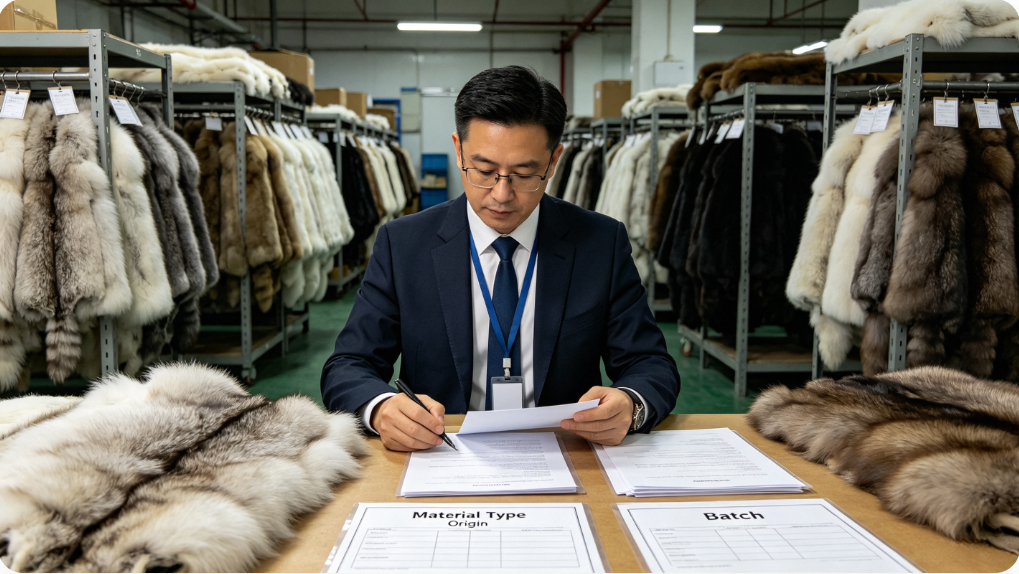
Fur products rely heavily on raw material quality, and this is one of the most frequent areas for fraud.
- The factory refuses to specify fur type, origin, grade, or provide material certification documents.
- They switch between real fur and faux fur descriptions casually, without written confirmation.
- Avoid sharing pelt photos, batch information, or cannot prove color consistency across bulk stock.
- They promise premium-grade fur at an unrealistically low price with no supporting sample evidence.
Tip: Always lock material specifications in your sales contract. Reliable fur manufacturers will happily provide material certificates and reference samples for your records.
2. Poor Sample Consistency Between Pre-Production Sample and Bulk Goods
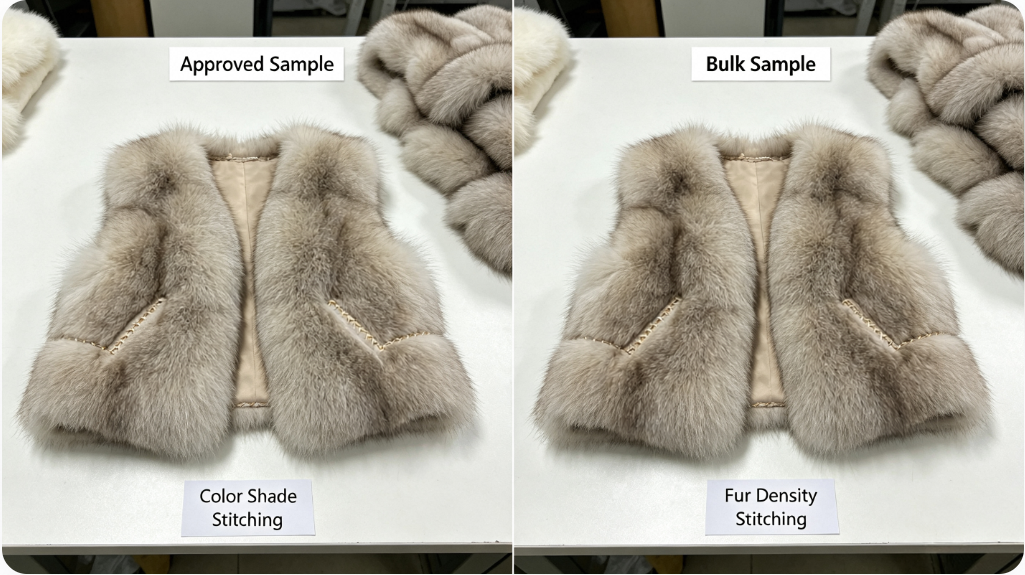
Samples act as your benchmark. A factory that cannot replicate sample quality at scale is a high-risk partner.
- The pre-production sample looks polished, yet they keep delaying bulk sample delivery with vague excuses.
- Bulk samples show obvious differences: fur density, nap direction, color shade, or stitching quality.
- The manufacturer argues “natural fur variation” as an excuse to cover up careless workmanship or material downgrades.
- They resist third-party inspection or refuse to sign off on sample comparison standards.
3. Unclear Production Capacity & Unrealistic Lead Time Promises
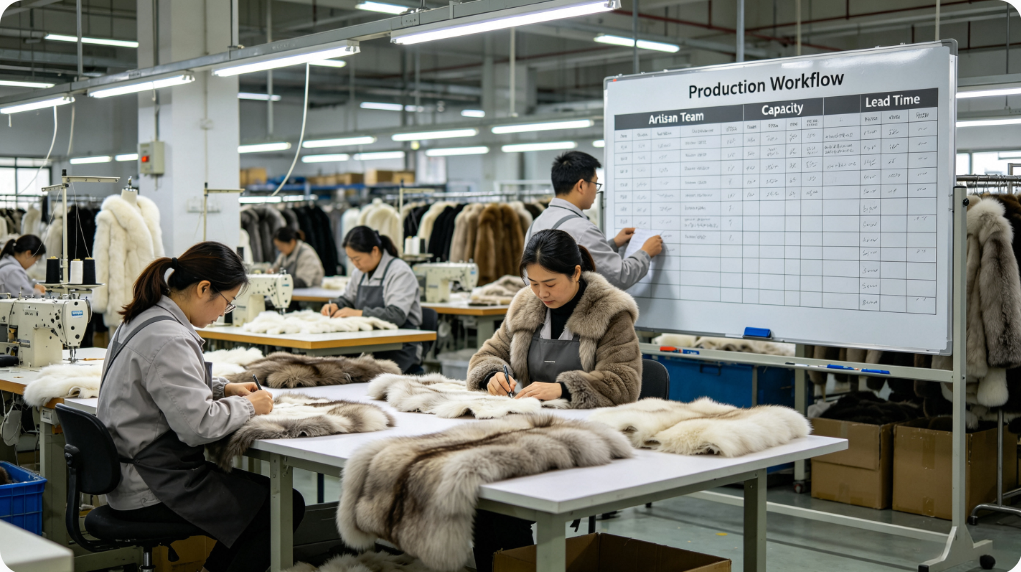
Many small workshops overpromise delivery dates just to win orders.
- They guarantee extremely fast lead times without checking raw pelt inventory and artisan schedules.
- The factory cannot explain the production workflow, how many skilled fur artisans are on staff, or how orders are prioritized.
- Frequent excuses of labor shortages, supply delays after order confirmation, with no contingency plan.
- They are reluctant to share production progress updates or factory floor photos during manufacturing.
4. Lack of Formal QC Process & Resistance to On-Site Inspection
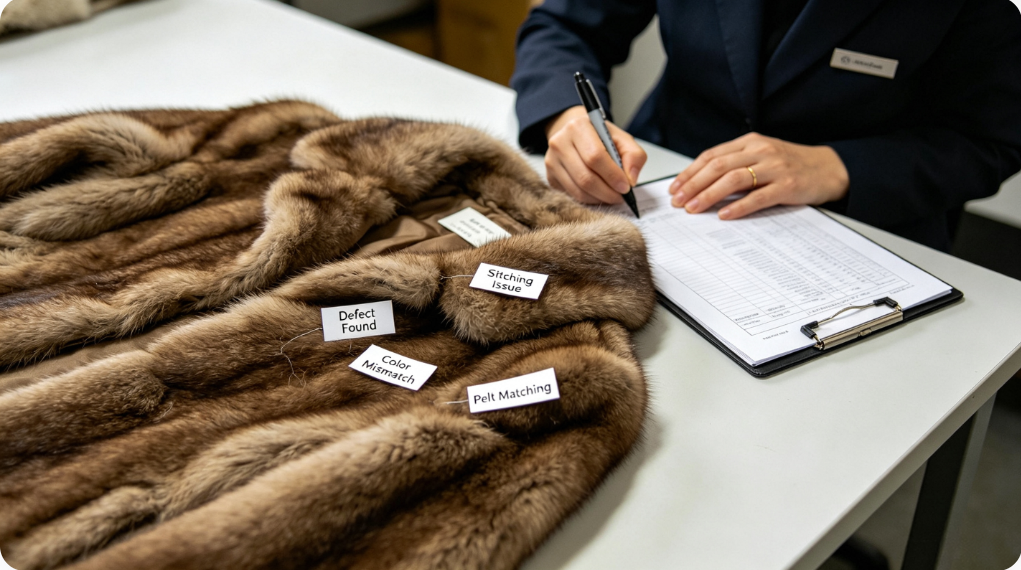
Professional fur garment makers implement multi-stage quality checks. Avoid factories that reject transparency.
- No dedicated QC team; no documented inspection standards for fur matching, stitching, lining, or sizing.
- They push back strongly when you request on-site inspection or third-party QC before shipment.
- Refuse to take defect photos or rework non-compliant products, and push buyers to accept flawed goods.
- Ignore your QC checklist and dismiss quality issues as minor cosmetic differences.
5. Ambiguous Contract Terms & Flexible Pricing Without Written Agreements

Watch out for suppliers who avoid formal written terms.
- Hesitant to sign detailed contracts covering material standards, defect liability, rework policy, and penalty for delayed shipments.
- Oral pricing only; price keeps rising after order starts, citing raw material cost fluctuations with no proof.
- Payment terms that demand full upfront payment with no staged payment structure.
- Unclear refund or compensation clauses for wrong materials or defective bulk products.
6. Negligent Packaging & Limited Knowledge of Cross-Border Logistics
Fur apparel needs special packaging to prevent mold, matting and damage during transit.
- The factory has no standard packaging protocol: no breathable dust bags, no moisture desiccants, low-strength cartons.
- Staff lack knowledge of fur export requirements, labeling rules, and customs documentation.
- They rush packing without sorting goods, mixing different styles, sizes or color batches in one carton.
7. Weak Communication & Slow Response Throughout the Cooperation
Consistent communication is a basic marker of a professional fur factory.
- Slow, inconsistent replies before order confirmation; after deposit paid, responses become even slower.
- Sales staff cannot answer technical questions about fur tanning, dyeing, garment construction, or care requirements.
- Avoid video calls or factory virtual tours; give vague reasons preventing you from visiting the workshop.
How JSFUR Differentiates Itself As A Trusted Fur Garment Manufacturer
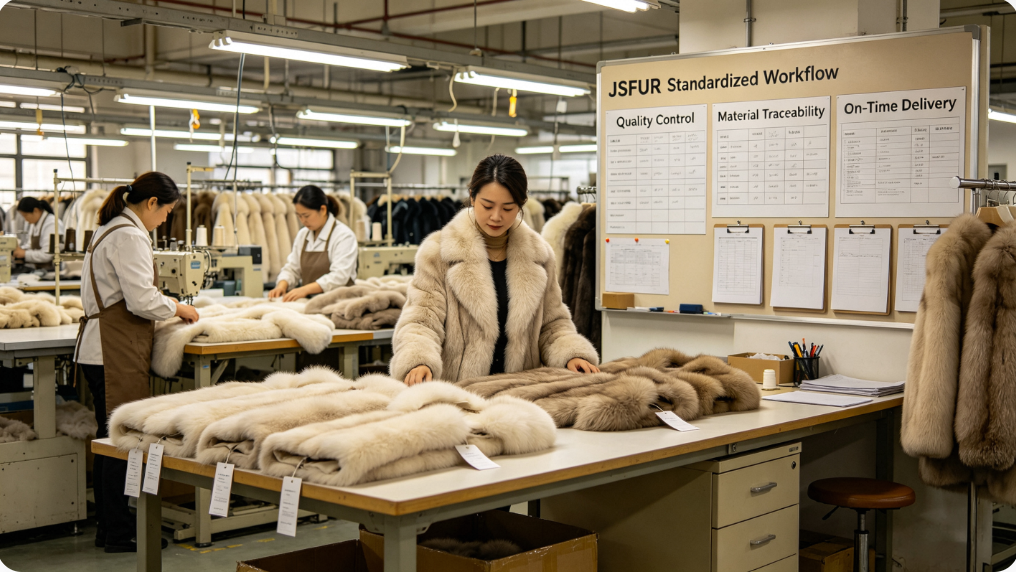
At JSFUR, transparency and quality control are built into every production stage. We provide clear material documentation, fixed specifications in contracts, consistent sample replication, and allow on-site or third-party inspections. Our skilled artisans follow strict fur matching standards, and our QC team inspects every batch before packing and shipment. We maintain realistic lead times and clear communication for wholesale fur apparel clients worldwide. Explore our manufacturing capabilities at https://www.jsfur.com.
Conclusion
Identifying red flags early protects your brand reputation and investment when sourcing fur clothing. Material ambiguity, sample inconsistency, unrealistic lead times, resistance to inspection, and unclear contracts are all warning signs of unprofessional fur factories. Conduct thorough supplier vetting before committing to large bulk orders, and partner with manufacturers who value transparency, documentation and quality accountability.
Share this article