Real Fur VS Premium Faux Fur: How Buyers Choose for Different Market Positions
Published on JSFUR | https://www.jsfur.com
Introduction
For wholesale buyers, boutique retailers, fashion brand founders and private label merchandisers, the decision between real fur and premium faux fur is far more than a simple material preference. This selection directly shapes your brand positioning, target customer groups, import compliance, pricing structure, marketing storytelling and long-term profitability.
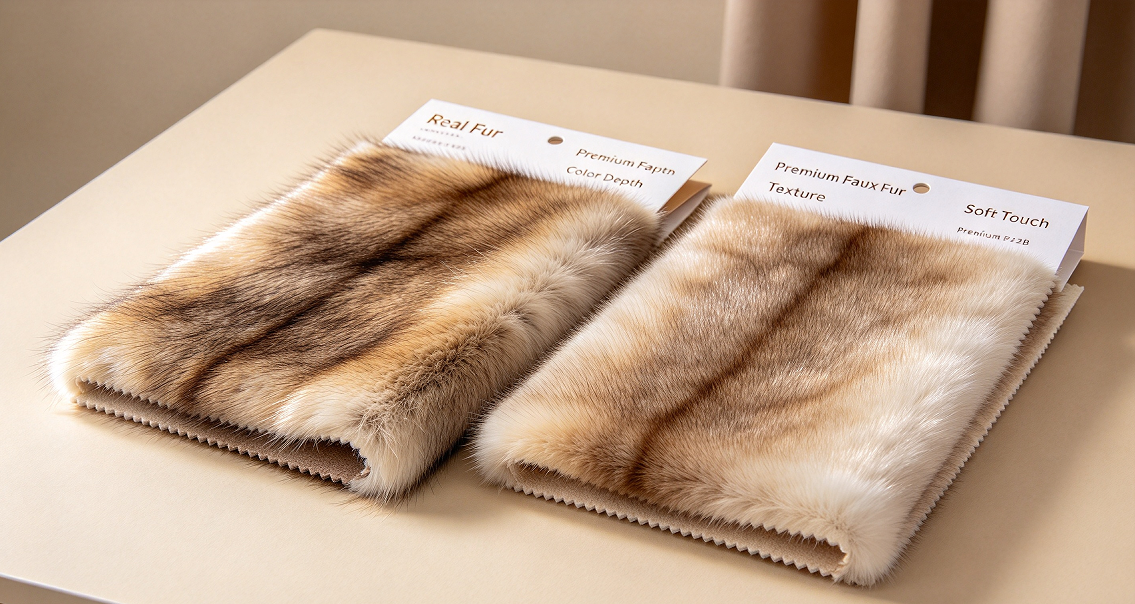
Many buyers mistakenly think premium faux fur equals cheap low-grade synthetic pile, while real fur automatically fits all luxury markets. The reality is nuanced. Modern high-end faux fur can replicate natural fur texture, color depth and hand feel for mid-to-premium fashion lines, while real fur works best for niche luxury segments with clear regulatory and traceability planning.
At JSFUR, we supply both certified real fur garments and engineered premium faux fur apparel for global B2B clients. Our team helps buyers match materials to their market positioning, balancing aesthetics, compliance, cost and consumer demand. This guide breaks down the core differences, market fit scenarios and sourcing tips to help you make data-driven buying decisions for your fur apparel bulk orders.
H2: Core Differences Between Real Fur and Premium Faux Fur
H2: Core Differences Between Real Fur and Premium Faux Fur
Before mapping materials to your market, you need to understand the intrinsic traits of each option, beyond surface appearance.
H3: Real Fur: Natural Texture, Premium Thermal Performance & Compliance Burdens
Real fur is crafted from animal pelts such as fox, rabbit, raccoon and lamb. Each pelt carries unique grain, hair length variation and natural light reflection that synthetic fabrics struggle to fully replicate.
- Strengths: Outstanding thermal insulation and natural breathability. With proper maintenance, high-quality real fur garments can last decades and retain value. It delivers exclusive tactile luxury that resonates with high-net-worth consumers and heritage fashion audiences.
- Challenges: Higher raw material and labor cost, as real fur production relies on skilled handwork for pelting, matching and tailoring. It requires strict import documentation, traceability certificates and species compliance. Many regions enforce fur sale bans or labeling rules. Additionally, real fur needs professional cleaning and seasonal storage to prevent moth damage or matting, which becomes part of your end-customer care instructions. Ethical scrutiny varies heavily across regions.
H3: Premium Faux Fur: Consistent Quality, Flexible Design & Lower Market Barriers
Premium faux fur differs drastically from entry-level cheap faux fur. It uses high-grade modacrylic, polyester or blended fibers, engineered to mimic natural fur’s pile density, hair tip gradation and soft touch.
- Strengths: Fully cruelty-free, with no animal welfare controversy. Batch-to-batch color and texture consistency is stable, making mass production and size runs easier. Design flexibility is a major advantage: designers can custom-dye bold colors, custom pile lengths and special patterns that natural fur cannot achieve. Garment care is simple, with many premium faux fur styles supporting gentle machine washing. No complex species import permits are required for most territories.
- Challenges: Even top-tier faux fur cannot fully copy the natural air permeability of real fur. Static and pile compression can appear after years of heavy wear. Some eco-focused consumers will examine fiber composition and recyclability claims, so suppliers must provide transparent material reports to avoid greenwashing risks.
H2: Matching Material Selection to Your Brand Market Position
H3: Segment 1: High-End Luxury & Heritage Niche Markets — Real Fur
Target buyers: Luxury boutiques, heritage outerwear brands, high-end custom designers, retailers serving cold-climate affluent consumers, markets with no fur restriction regulations.
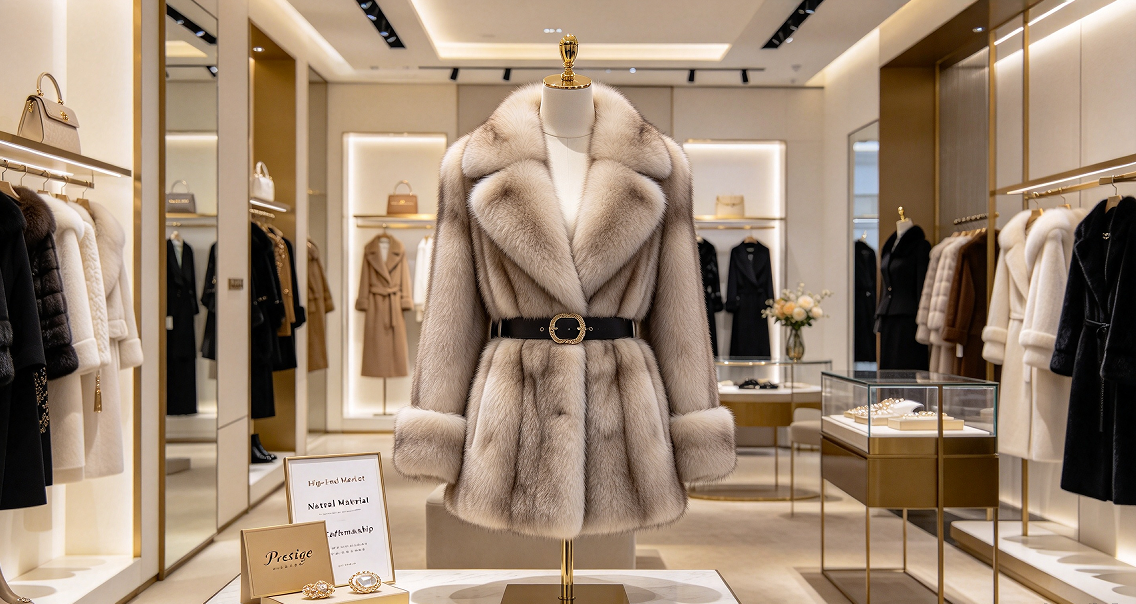
Why real fur fits: Customers in this segment prioritize rarity, artisanal craftsmanship and long-term investment value. Natural fur’s unique texture and warmth support premium pricing and elevate brand prestige. Your marketing story can focus on traceable sourcing, traditional tanning techniques and hand garment construction.
Sourcing notes for real fur bulk orders:
- Confirm local import laws and labeling requirements for every target country before placing bulk orders.
- Require full traceability documentation, species certificates and quality inspection reports from your manufacturer.
- Build clear after-care guides for end consumers about professional cleaning and off-season storage.
- Partner with suppliers like JSFUR who can provide pre-production sample pelts and pre-shipment QC checks for fur matching.
H3: Segment 2: Contemporary Premium & Conscious Fashion Brands — Premium Faux Fur
Target buyers: Contemporary mid-premium fashion labels, sustainable-focused brands, vegan & ethical consumer markets, department store contemporary lines, fast luxury seasonal collections.
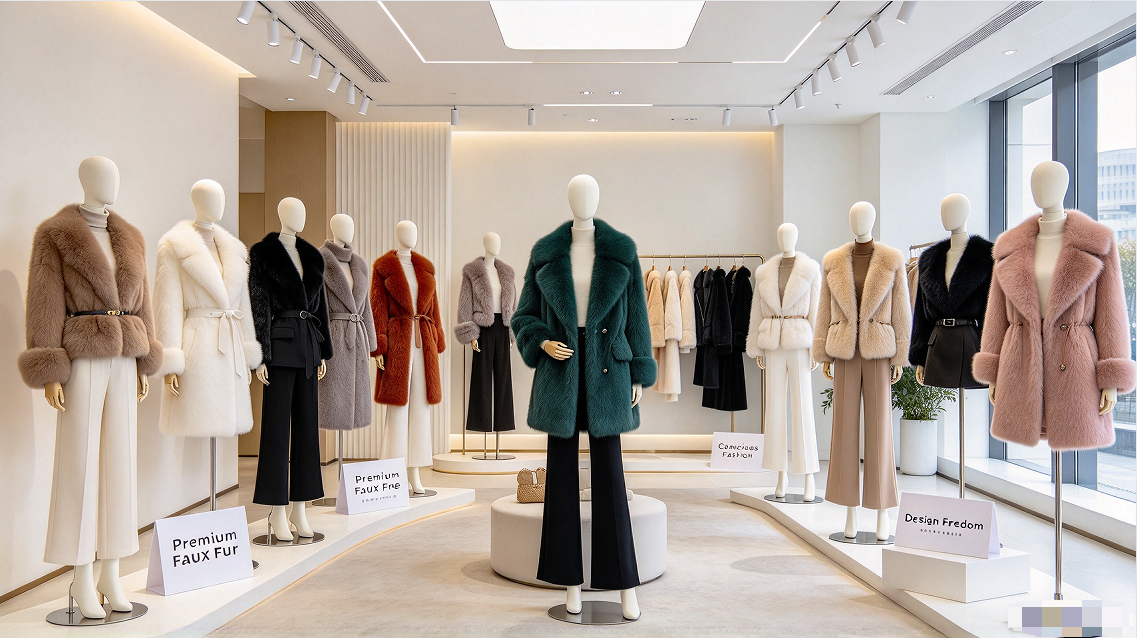
Why premium faux fur fits: This group wants the luxurious visual and tactile look of fur apparel without the ethical conflicts of real fur. Premium faux fur lets brands hit a mid-premium price point, attract younger consumers and expand sales to regions with fur bans. It is perfect for limited-edition seasonal fashion, bold runway colors and ready-to-wear collections.
Sourcing notes for premium faux fur bulk orders:
- Distinguish premium faux fur from low-cost synthetic alternatives by requesting fiber composition lab test reports.
- Test for shedding, pilling and color fastness before mass production.
- Use swatch approval process for custom colors and pile specifications.
- JSFUR’s premium faux fur line supports custom development for private labels, with consistent bulk quality across large order volumes.
H3: Segment 3: Mass-Market, Ski & Winter Lifestyle Brands — Hybrid Strategy
Target buyers: Winter lifestyle retailers, ski apparel brands, mainstream outerwear chains, e-commerce DTC brands targeting broad consumer groups.
Many brands adopt a hybrid strategy: premium faux fur for core best-selling styles, and limited real fur capsule collections for high-end SKUs. This balances profit margin, risk diversification and multi-tier product lines. The hybrid approach lets brands capture both volume sales from mainstream shoppers and high-margin revenue from luxury sub-collections.
H2: Key Commercial Factors Buyers Must Compare
Pricing & MOQ
Real fur generally carries higher per-unit cost and may require higher minimum order quantities for specific pelt selections. Premium faux fur has more flexible MOQs and predictable raw material pricing, helping buyers stabilize budget and avoid unexpected raw material price fluctuations.
Regulatory & Market Risk
Real fur faces region-specific restrictions, labeling mandates and customs document requirements. Non-compliance may result in shipment detention or product recall. Premium faux fur has fewer cross-border regulatory hurdles, but buyers still need fiber labeling to meet textile import rules.
Marketing & Consumer Storytelling
Real fur storytelling leans into heritage, natural material, artisanal craftsmanship and thermal performance. Premium faux fur messaging centers on cruelty-free, sustainable innovation, design freedom and easy garment maintenance. Your material choice must align with your brand’s core value proposition to avoid consumer confusion.
After-Sales & Return Risk
Real fur garments have more delicate care requirements; improper washing easily ruins the fur, raising return complaints. Premium faux fur is more robust in daily use and easier for end customers to maintain, lowering post-sale service workload.
H2: Final Sourcing Checklist Before Confirming Your Material
- Map your primary sales territories and review local fur-related bans, import and labeling regulations.
- Define your target customer persona and brand value: luxury heritage, ethical contemporary or mass winter fashion.
- Set price positioning and gross margin targets to select the suitable material.
- Request physical swatches and pre-production samples from your supplier, test hand feel, shedding and color fastness.
- Clarify certification, traceability and QC standards in your sales contract.
- Prepare product care labels and marketing copy aligned with your chosen material.
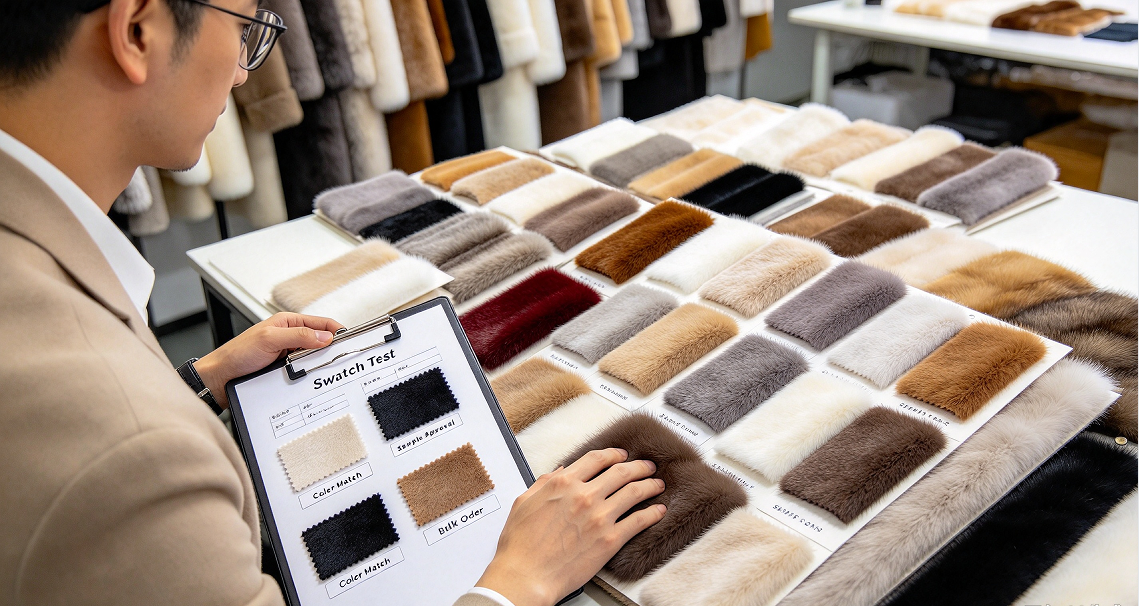
At JSFUR, our design and sourcing team works with global buyers to evaluate whether real fur or premium faux fur fits your brand positioning. Whether you need real fur luxury outerwear or custom premium faux fur private label collections, we deliver verified samples, transparent QC and stable bulk shipment support. Contact us via https://www.jsfur.com to discuss your next fur apparel collection.
H2: Frequently Asked Questions
Q1: Can premium faux fur pass close visual inspection as real fur?
Top-tier premium faux fur from professional factories can achieve a highly similar appearance, especially from a distance. However, the natural hair variation and breathability of real fur remain difficult to fully replicate, which is why clear product labeling is essential for compliance and consumer trust.
Q2: Which material is better for cross-border bulk shipping?
Premium faux fur has fewer regulatory barriers and is less vulnerable to moth damage during long transit. Real fur shipments need pest control checks and extra documentation, adding compliance complexity.
Q3: Can I mix real fur and premium faux fur in one collection?
Yes. Many fashion brands use hybrid designs: premium faux fur as the main body, with real fur trims, or vice versa. Just ensure your product labeling accurately discloses all materials to meet import regulations.
Share this article