Brand: JSFUR

Introduction
The fashion industry stands at a transformative crossroads. Long defined by fast fashion’s disposable cycles, it now faces urgent pressure to address its environmental footprint—responsible for 10% of global carbon emissions and over 92 million tonnes of textile waste annually. Today, sustainable fashion is no longer a niche trend but a global movement, driven by eco-conscious consumers, strict regulations, and innovative brands. At JSFUR, we embrace this shift, proving that ethical luxury, eco-friendly materials, and green manufacturing can coexist with timeless style. This guide explores how sustainability is reshaping the clothing industry—and how JSFUR leads with responsible practices.
The Rise of Eco-Friendly Materials: Redefining Luxury and Responsibility

The foundation of sustainable fashion lies in eco-friendly materials that minimize harm to the planet without compromising quality. Unlike conventional fabrics (e.g., virgin polyester, conventional cotton), these materials prioritize renewability, biodegradability, and low resource use—setting a new standard for luxury.
1. Natural & Regenerative Fibers
Organic Cotton: Grown without pesticides or synthetic fertilizers, using 91% less water than conventional cotton. It’s hypoallergenic, soft, and biodegradable—ideal for everyday luxury wear.

Tencel (Lyocell): Made from sustainably harvested eucalyptus or beech wood pulp via closed-loop manufacturing that recycles 99% of water and solvents. Breathable, moisture-wicking, and biodegradable, Tencel blends luxury with eco-responsibility.
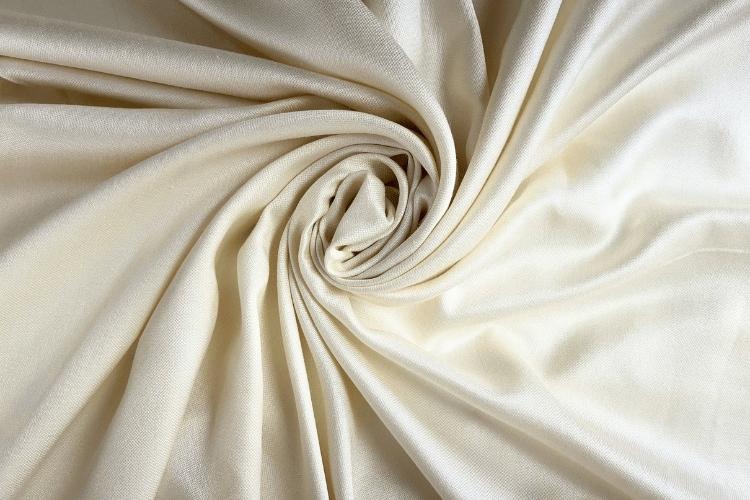
Bamboo: A fast-growing, pesticide-free crop that requires minimal irrigation. Bamboo fabric is ultra-soft, naturally antimicrobial, and fully biodegradable—perfect for loungewear and lightweight outerwear.

Hemp: One of the most sustainable crops, requiring no pesticides and enriching soil as it grows. Durable, breathable, and biodegradable, hemp ages beautifully, making it ideal for investment pieces.

2. Recycled & Upcycled Fibers
- Recycled Polyester (rPET): Made from post-consumer plastic bottles or textile waste, reducing plastic pollution and fossil fuel reliance. It retains durability and performance while cutting carbon emissions by 30–50% vs. virgin polyester.

- Recycled Wool & Cashmere: Repurposed from factory scraps or pre-owned garments, diverting waste from landfills and reducing the need for raw animal fibers. JSFUR uses recycled wool blends in our luxury outerwear collections.
3. Innovative Bio-Based Materials

- Mushroom Leather (Mylo™): A leather alternative grown from mycelium (mushroom roots) in just 14 days, with zero animal harm and a fraction of the environmental impact of cowhide. Soft, durable, and biodegradable.

Pineapple Leather (Piñatex®): Made from pineapple leaf waste, converting agricultural byproducts into a strong, breathable, and vegan leather alternative.

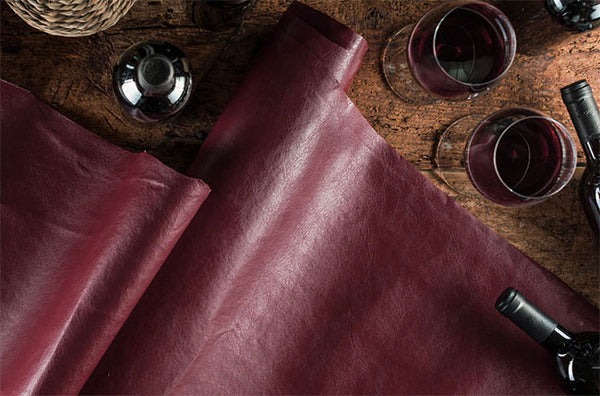
Grape Leather: Crafted from winemaking byproducts (grape skins, seeds), turning waste into a durable, 84% bio-based luxury material.
Green Manufacturing: From Wasteful to Circular

Sustainable fashion extends beyond materials—it requires green manufacturing practices that eliminate waste, reduce emissions, and protect workers. Traditional fashion production is linear (make, use, discard), but green manufacturing embraces circularity (reduce, reuse, recycle) at every stage.
1. Closed-Loop Production
Closed-loop systems recycle water, energy, and waste materials back into production, minimizing resource loss. For example:
- Tencel production recycles 99% of water and solvents.
- JSFUR’s fur processing facilities use closed-loop water systems, reducing water waste by 70% vs. conventional methods.
2. Zero-Waste Design & Cutting
Zero-waste design eliminates fabric waste by creating patterns that use every inch of material. Brands like JSFUR optimize cutting patterns to reduce textile scraps, with leftover fabric repurposed into accessories or linings.
3. Ethical Labor & Transparency
Green manufacturing prioritizes fair wages, safe working conditions, and supply chain transparency. At JSFUR, we work exclusively with certified ethical factories, ensuring every artisan is paid fairly and works in safe, humane environments. We provide full transparency into our supply chain, so customers can trace the origin of every material.
4. Low-Impact Dyeing & Finishing

Conventional dyeing uses 20% of global industrial water pollution and toxic chemicals. Green alternatives include:
- Natural Dyes: Made from plants, minerals, or food waste (e.g., indigo, madder root), non-toxic and biodegradable.
- Waterless Dyeing: Technologies like CO2 dyeing reduce water use by 95% and eliminate toxic runoff.
The Market Shift: Consumers Demand Sustainability
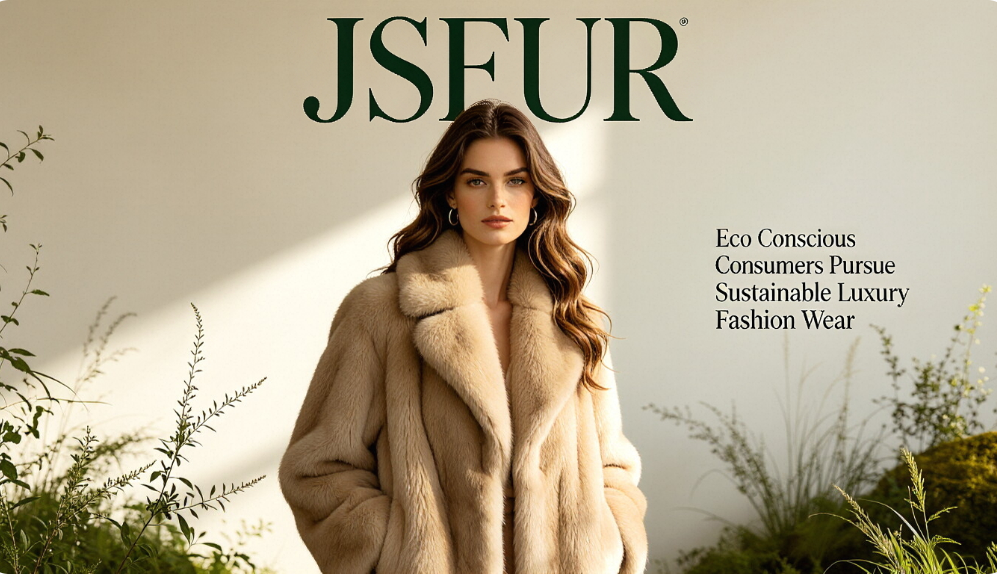
Today’s consumers—especially Gen Z and millennials—are driving the sustainable fashion revolution. Research shows 67% of shoppers prioritize sustainable materials when buying apparel, and 73% are willing to pay more for eco-friendly, ethical products. The global sustainable fashion market is projected to surpass $15 billion by 2026 and $15.14 billion by 2032.
This shift reflects a broader cultural change: consumers no longer see fashion as disposable. They want timeless, high-quality pieces that align with their values—pieces that are stylish, durable, and kind to the planet. At JSFUR, we answer this demand with collections designed for longevity: classic silhouettes, premium materials, and expert craftsmanship that transcends fleeting trends.
JSFUR’s Commitment: Luxury That Doesn’t Cost the Earth

As a leader in ethical luxury fashion, JSFUR is dedicated to redefining what it means to be a sustainable brand. Our core principles guide every decision:
- Responsible Sourcing: We only use genuine fur from regulated, ethical farms compliant with CITES and international animal welfare standards—no endangered species, no cruel practices.
- Eco-Friendly Materials: We integrate organic, recycled, and bio-based materials into every collection, reducing our environmental footprint.
- Green Manufacturing: Our production facilities use closed-loop systems, zero-waste cutting, and ethical labor practices.
- Circular Design: We create timeless, durable pieces built to last, with repair and resale programs to extend garment lifecycles.
We believe luxury and sustainability are not opposites—they are inseparable. True luxury is about quality, craftsmanship, and responsibility: luxury that honors both the wearer and the planet.
Conclusion: The Future of Fashion Is Sustainable
The clothing industry is undergoing a profound transformation, driven by eco-friendly materials, green manufacturing, and conscious consumerism. Sustainable fashion is no longer a choice—it’s the future.
At JSFUR, we are proud to lead this movement, creating luxury outerwear and accessories that blend timeless style with uncompromising ethics. Every piece in our collections is a testament to our promise: luxury that doesn’t cost the earth.
Explore JSFUR’s sustainable luxury collection today and join the movement toward a more responsible, beautiful fashion industry.
Shop Ethical Luxury Fur & Eco-Friendly Fashion at JSFUR