In the global fashion industry, fur has long been a symbol of luxury and warmth. However, with growing awareness of animal welfare and wildlife conservation, many animal furs are now illegal to trade, sell, or wear worldwide. If you’re a fashion lover, shopper, or industry professional, understanding which furs are banned is critical to making ethical, legal choices. At JSFUR (https://www.jsfur.com), we prioritize sustainable and legal fur products—this guide will walk you through illegal animal furs, key regulations, and why ethical sourcing matters.
Key Global Regulations Governing Illegal Fur
Before diving into specific species, it’s essential to know the international laws that ban or restrict fur trade:
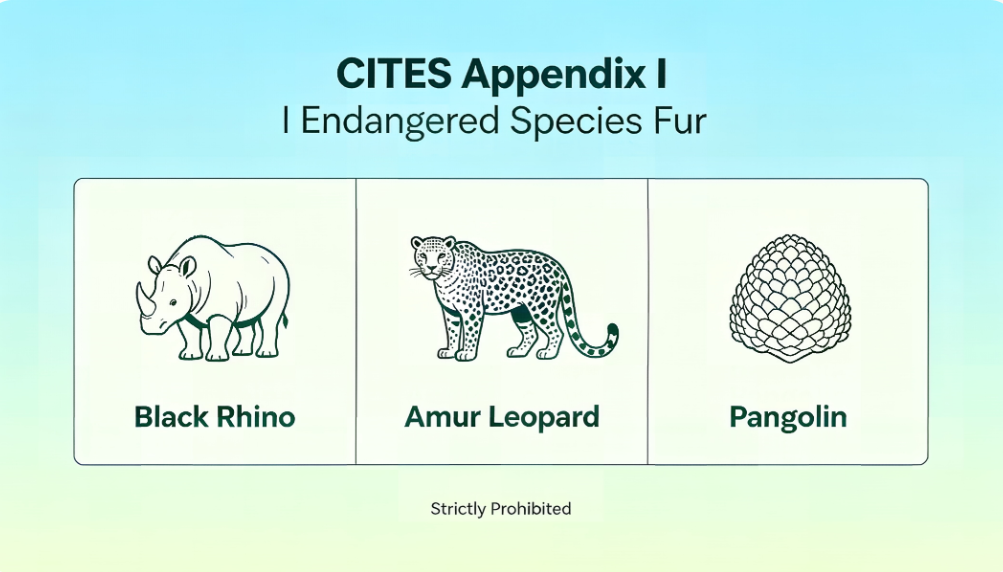
- CITES (Convention on International Trade in Endangered Species): A global treaty that prohibits or limits trade of endangered wildlife and their parts, including fur. Species are listed in three appendices—Appendix I species are strictly banned from international trade.
- EU Fur Bans: The EU prohibits trade in cat and dog fur (Regulation EC No. 1523/2007) and restricts seal fur except for indigenous community use. Many European countries (e.g., UK, France) have banned fur farming entirely.
- National Laws: Countries like the US, China, and Canada enforce bans on endangered species fur and regulate trapping/hunting of wild animals.
1. Endangered Species Fur (Strictly Illegal Worldwide)
Fur from animals listed as CITES Appendix I (critically endangered) is 100% illegal to trade, sell, or own globally. These species face extinction, and their fur trade is banned to protect their populations:
- Chiru (Tibetan Antelope): Their soft wool (shahtoosh) is used for luxury shawls. Chirus are killed for their fur, pushing populations to near extinction. Shahtoosh trade has been illegal under CITES since 1979.
- Snow Leopard: A big cat native to Central Asia, its thick, spotted fur is highly valuable. Hunted to near extinction, snow leopard fur is banned worldwide.
- Jaguar: The largest cat in the Americas, its distinctive rosetted fur is prized. Jaguar hunting and fur trade are illegal under CITES due to population decline.
- Polar Bear: Native to the Arctic, their dense white fur is sought after for luxury coats. Climate change and hunting have reduced populations—polar bear fur is illegal in most countries.
- Black Rhinoceros: Though less common in fashion, their hides (and horns) are illegal to trade due to extreme endangerment.
2. Cat and Dog Fur (Banned in Most Countries)
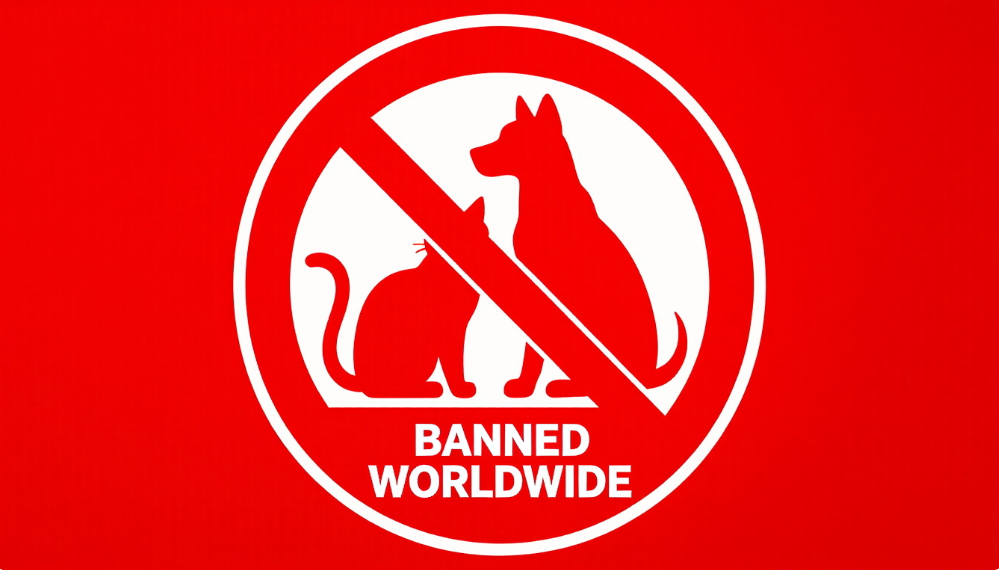
One of the most widespread fur bans targets cat and dog fur, driven by animal welfare concerns:
- Global Ban: The EU, US, UK, China, and many others prohibit the trade, import, and sale of cat and dog fur and products containing it.
- Why?: Cats and dogs are companion animals, and fur farming/killing them for fashion is widely condemned as cruel.
- Note: This includes all domestic and wild cat/dog species (e.g., wolf, coyote in some regions).
3.Seal Fur (Restricted/Illegal in Most Markets)
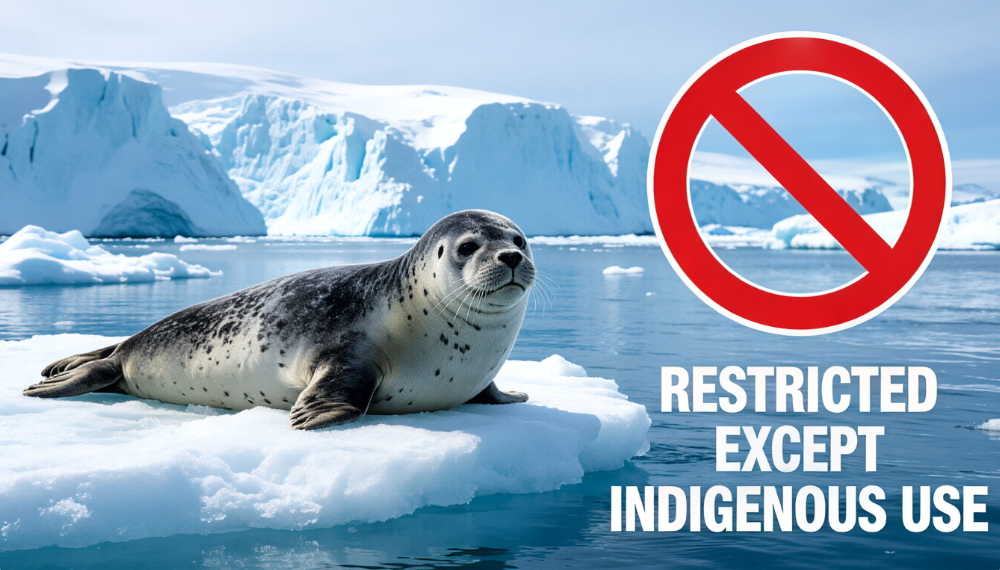
Seal fur (especially from harp seals) was once popular for coats and trim, but today it’s heavily restricted:
- EU/UK Ban: Seal products (including fur) are banned except for indigenous community hunts (e.g., Inuit in Canada) for subsistence.
- US Ban: The US prohibits import of seal fur except for limited exceptions.
- Canada: While some seal hunting is legal, trade to major fashion markets is blocked.
4. Other Illegal/Restricted Furs
Wild Canids (Wolf, Coyote, Fox in Some Regions)
- Wolf: Protected in many countries (e.g., US, EU). Wolf fur trade is illegal without special permit
- Coyote: Banned in some US states and EU countries due to overhunting and ecological impact.
Protected Mustelids (Weasel Family)
- Sea Otter: Hunted to near extinction for their dense fur, sea otter fur is illegal worldwide.
- Fisher: A North American mustelid, protected in many regions—fur trade is restricted.
Why Choose Legal and Ethical Fur?
At JSFUR, we believe luxury and ethics can coexist. Here’s why avoiding illegal fur matters:
- Wildlife Conservation: Illegal fur trade drives species extinction—choosing legal fur protects biodiversity.
- Animal Welfare: Legal fur (e.g., farmed mink, rabbit, fox) is sourced from regulated farms with humane standards.
- Legal Compliance: Owning or selling illegal fur can result in fines, confiscation, or legal action.
- Sustainable Fashion: Ethical fur is a renewable resource—farmed animals are raised specifically for fashion, reducing waste.
JSFUR: Your Trusted Source for Legal, Ethical Fur
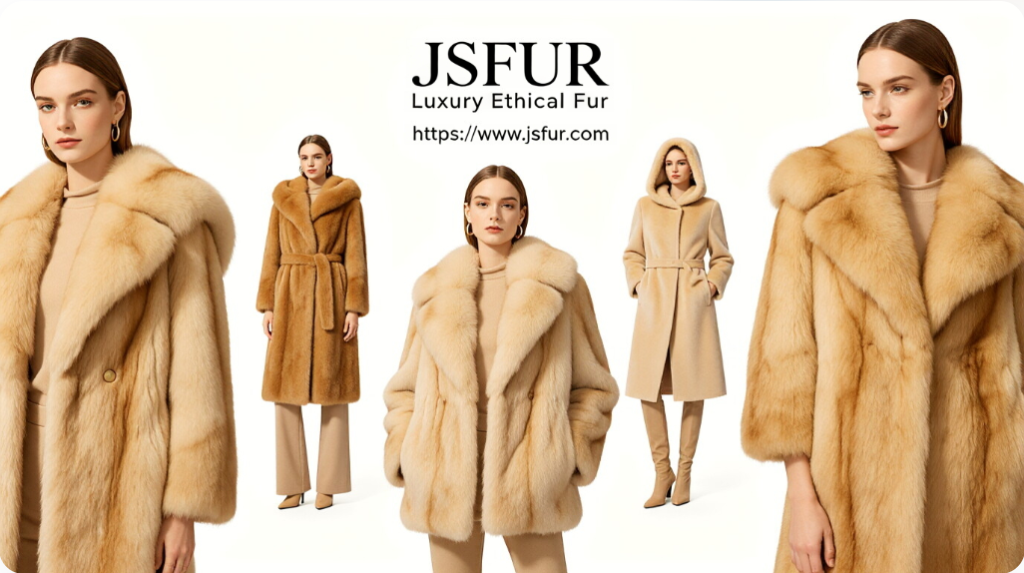
As a leading fur fashion supplier, JSFUR (https://www.jsfur.com) is committed to 100% legal and ethical fur sourcing:
- We only use fur from regulated farms (mink, rabbit, fox, raccoon dog) compliant with international animal welfare standards.
- Our products are certified sustainable, eco-friendly, and free from endangered or illegal species.
- We offer a wide range of luxury fur coats, jackets, and accessories—combining timeless style with ethical responsibility.
Final Thoughts
Illegal animal fur includes endangered species (chiru, snow leopard), companion animals (cat, dog), and protected wildlife (seal, sea otter). Global regulations like CITES and national bans aim to protect animals and ecosystems. At JSFUR, we’re proud to offer fashion that’s both luxurious and responsible—shop with us to discover ethical fur that aligns with your values.
Explore our legal fur collection today: https://www.jsfur.com