A Winterwear Designer’s Perspective
Working at JSFUR, I have been deeply involved in the development of multiple winterwear collections, collaborating and exchanging ideas with designers from major international brands. Through these practical design dialogues, Western vintage fashion has consistently emerged—not as a surface aesthetic, but as a structural and strategic design language that performs exceptionally well in cold-season collections.
1. Why Western Vintage Works Especially Well for Winterwear
From a winterwear perspective, Western vintage fashion offers a natural advantage: it is inherently built on structure, weight, and protection.
Historically influenced by European tailoring systems, military uniforms, workwear, and court dress, Western vintage silhouettes were designed for:
- Layering and insulation
- Durability in harsh climates
- Visual authority through form
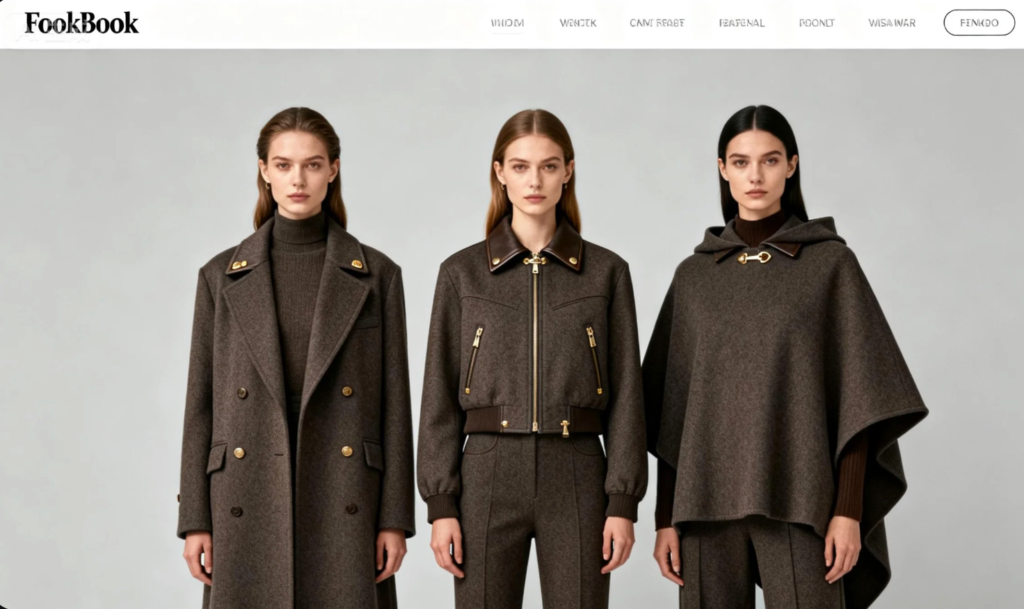
In my experience at JSFUR, these qualities translate seamlessly into coats, padded jackets, tailored outerwear, and heavy wool pieces, allowing vintage references to feel functional rather than decorative.
According to WGSN Outerwear Forecast 2025–2026, structured coats and heritage-inspired silhouettes account for over 55% of premium winter outerwear launches, reinforcing the commercial relevance of this design direction.
2. Structure as a Design Tool, Not a Constraint
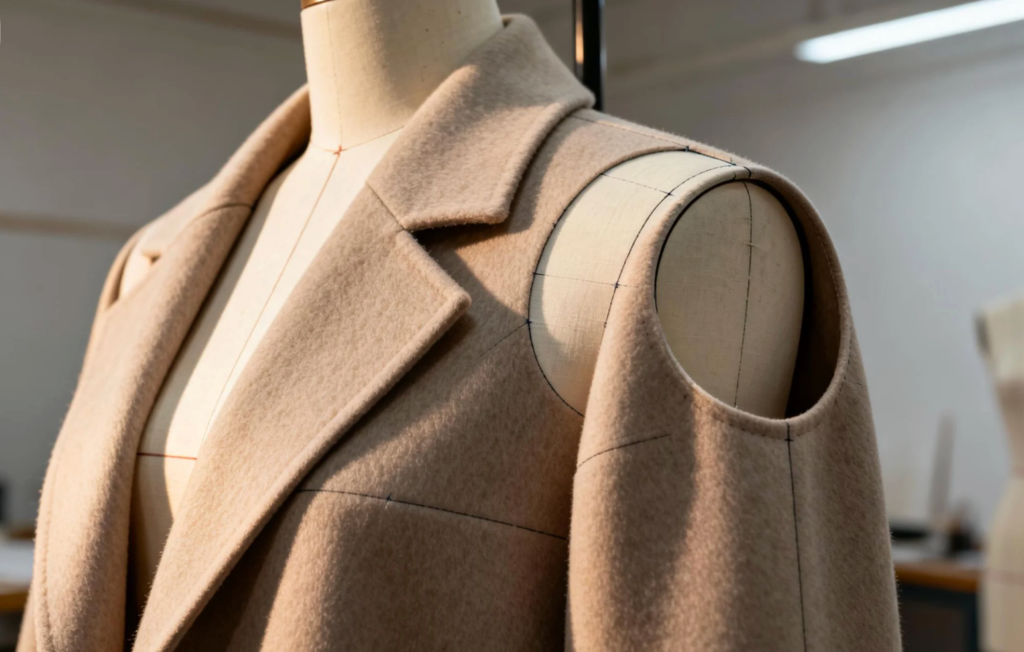
When working with Western vintage elements, I consistently return to 3D tailoring logic as a core design foundation.
In collaboration with international designers, we often discuss how:
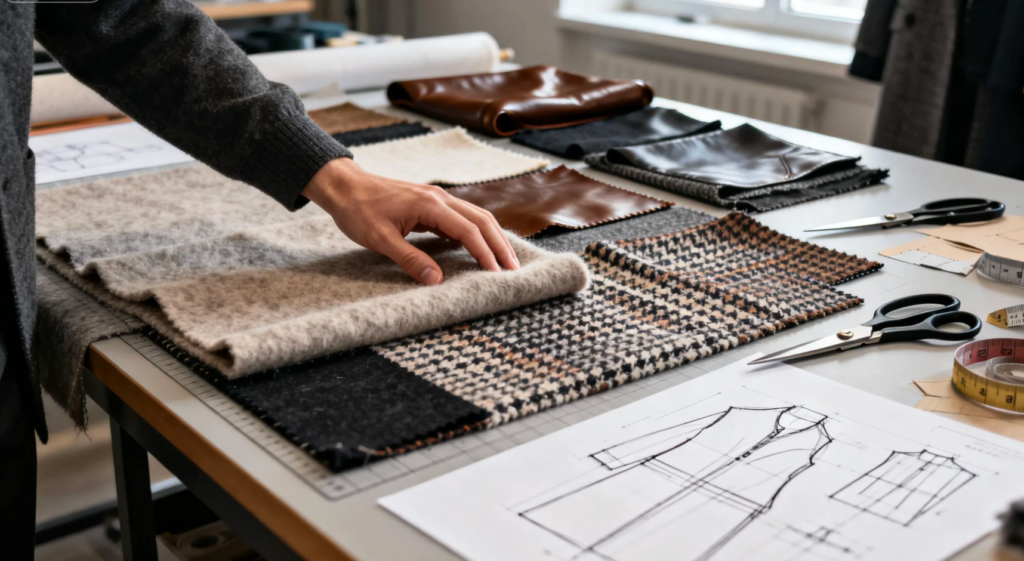
- Shoulder architecture defines power and balance
- Waist control creates proportion even in heavy garments
- Volume distribution determines whether a winter piece feels refined or bulky
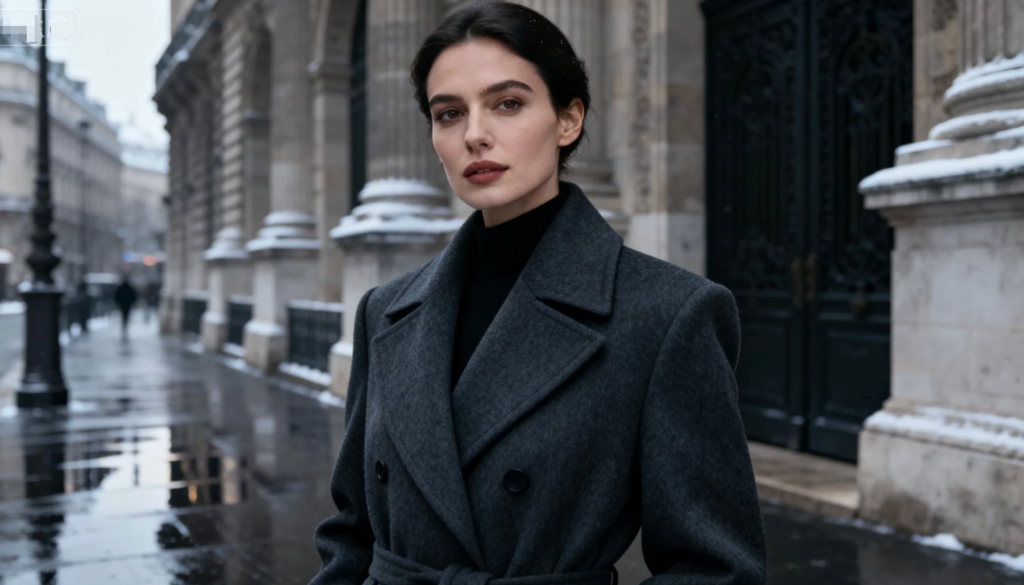
Western vintage tailoring—through darts, paneling, shaped sleeves, and engineered padding—allows winter garments to maintain clarity of silhouette, even when using thick materials.
Data from EDITED (2025) shows that winter garments described as “tailored”, “heritage”, or “structured” demonstrate a +30% higher sell-through rate than unstructured alternatives in the mid-to-high market segment.
This confirms what I see in practice: structure increases confidence, both visually and commercially.
3. Vintage Details as Value Amplifiers
Through direct collaboration with large brands, one insight has become clear: Western vintage details significantly increase perceived value, especially in winter collections.
Key elements frequently explored include:
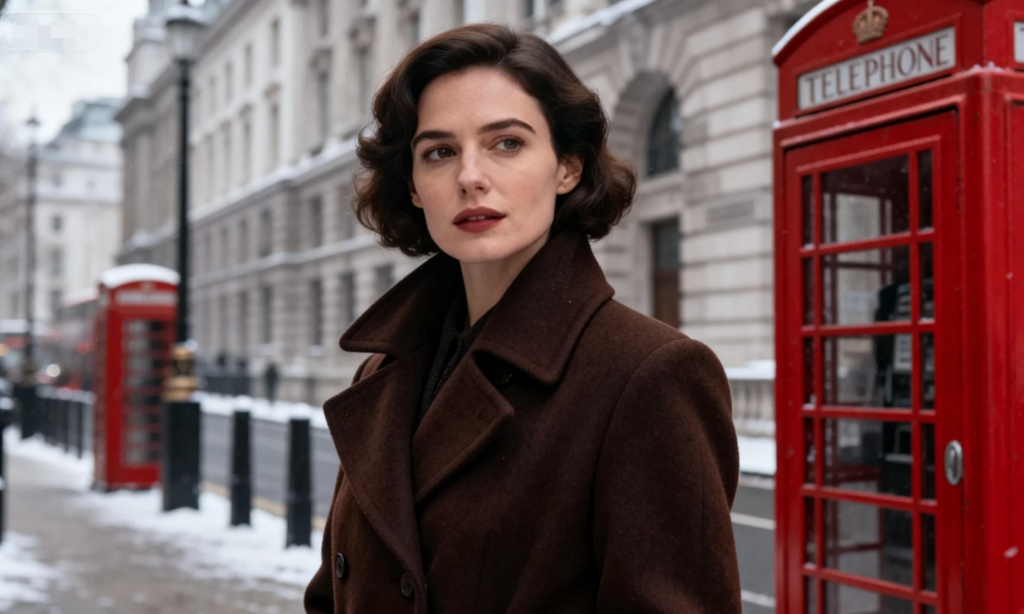
- Vintage lapel proportions and double-breasted closures
- Heritage checks, herringbone, and military-inspired trims
- Functional detailing reinterpreted decoratively
Unlike minimalist winterwear, Western vintage allows for controlled detail density, which is especially effective in outerwear where surface area is large.
According to Lyst Index insights, searches for “heritage coat”, “vintage wool jacket”, and “tailored winter coat” rose by over 40% during the 2025–2026 winter season, indicating strong consumer resonance.
4. Material Strategy: Where Vintage Meets Performance
At JSFUR, winterwear development always begins with fabric. Western vintage fashion aligns naturally with heavy, performance-capable materials:
- Wool blends
- Structured tweeds
- Denim, canvas, and leather
- Modern technical fabrics with a heritage appearance
In recent seasons, I have worked on integrating modern insulation and lightweight padding into vintage-inspired silhouettes, ensuring warmth without sacrificing shape.
A McKinsey Apparel Report (2025) highlights that 48% of consumers prioritize durability and “long-lasting design” when purchasing winter outerwear—values strongly associated with Western vintage aesthetics.
5. Designing Vintage for the Modern Market
One key takeaway from working with global designers is that Western vintage must be reinterpreted, not replicated.
At JSFUR, this means:
- Simplifying historical references into wearable proportions
- Adjusting fit for modern, global body types
- Translating heritage into versatile, multi-scene garments
Western vintage excels here: a single structured coat can move seamlessly from professional settings to casual urban wear, especially in winter.
This adaptability makes Western vintage a powerful tool for building cohesive winter series rather than isolated statement pieces.
Final Reflection
From my experience developing winter collections at JSFUR and collaborating with designers from major brands, Western vintage fashion stands out as a highly practical, commercially intelligent design system.
It offers:
- Structural clarity for heavy garments
- Strong visual authority
- Material credibility
- Long-term market relevance
In winterwear design, Western vintage is not about nostalgia—it is about using historical structure to solve modern design problems.
For me as a designer, Western vintage is less a style choice and more a methodology.